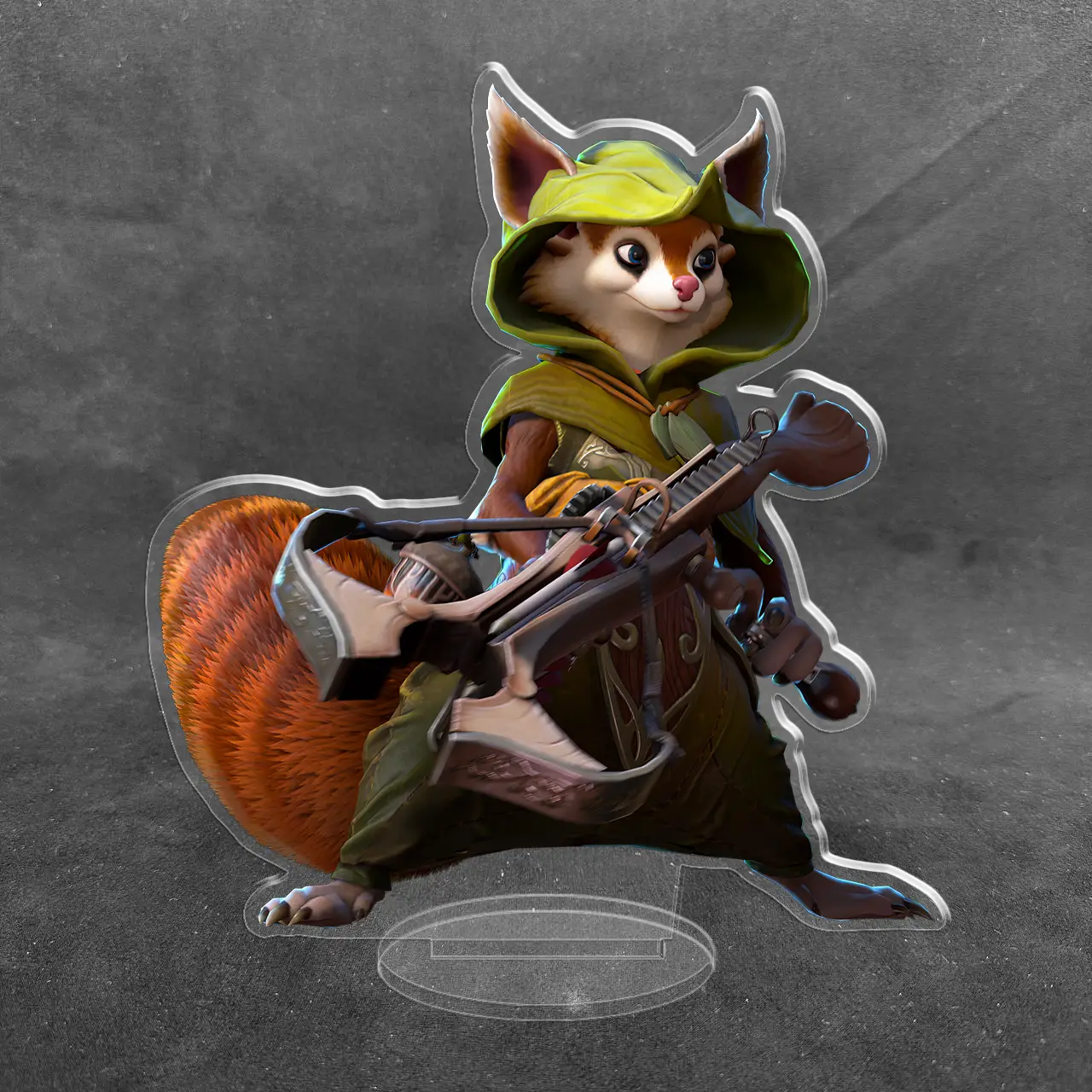
Wardline Atlas is an independent Dota 2 guide studio based in Auckland. We publish hero primers, item build paths, laning notes, and patch readouts so players can make clearer decisions in ranked and casual matches without guessing after every balance change.
Our writers track real in-game systems: last-hitting and creep equilibrium, Observer and Sentry ward routes, Roshan timing, smoke plays, and when cores such as Black King Bar, Blink Dagger, Aghanim’s Scepter, or Butterfly actually pay off against the draft in front of you.
Guides cover Carry, Mid, Offlane, Soft Support, and Hard Support with practical examples on heroes like Juggernaut, Invoker, Axe, Crystal Maiden, Phantom Assassin, and Pudge. We keep language neutral and factual—no hype rankings—just readable strategy grounded in how Dota 2 is played today.
Hero & role write-ups refreshed across recent patches
Item build paths with situational swap notes
Editorial desk answering player questions on weekdays
Before a page goes live we verify skill point order, early item timings, mid-game objective plans around towers and Roshan, and late luxury choices so the write-up still matches the live Dota 2 client after patch day.
Hero, ability, and item changelog lines are mapped to each affected guide before we edit numbers or timings.
Starting items, pull camps, and matchup notes are reviewed for Carry, Mid, Offlane, and both support roles.
Core versus situational purchases—BKB, Hex responses, Ghost Scepter—are stress-tested against common drafts.
Copy is expanded for clarity, alts updated, and the page is linked from the guide library for readers.
Readable Dota 2 strategy, honest patch context, and a New Zealand desk that answers guide questions—that is the Wardline Atlas approach. We explain why a build works, when to deviate, and how vision or tempo changes the next fight.